SPONSOR HIGHLIGHT: Q&A With Cayley Hoffman, Mine Engineer With South32

SPONSOR HIGHLIGHT: Q&A With Cayley Hoffman, Mine Engineer With South32

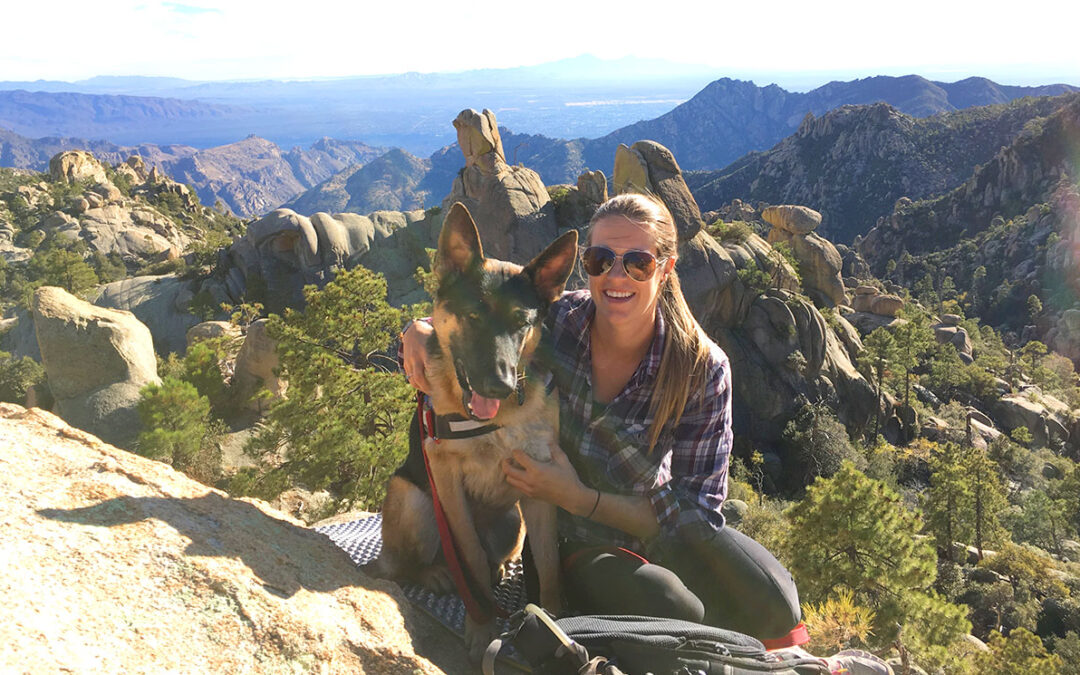
MBC sponsor South32’s Mine Engineer Cayley Hoffman with her dog Riggs hiking on Mount Lemmon.

Collaborating with our sponsors, we’re sharing the many ways professionals cultivate and use creativity to improve their personal lives, their careers and their communities. This article features Cayley Hoffman, Mine Engineer with South32. Read on to learn more.

Cayley Hoffman is a Mine Engineer with South32. Even though the majority of her work involves managing technical details, she finds plenty of opportunities to use creativity in her line of work. She defines creativity as the ability to see a problem and come up with multiple solutions that might be quite different from the straight-forward or obvious answer. A creative solution doesn’t have to be a “new” thought, it can be a new way of thinking, a new approach to a problem or a new way of implementing a previous thought or plans.

She explains her work at South32: “We’re in the pre-mining study stage, which means we are planning The Hermosa Mine outside of Patagonia, a mine that has not been built yet. The geologists on our project have defined an orebody, and part of my job is to determine how we can build a mine to get to the orebody and extract it. I work with software that allows me to design the underground mine in 3D, and then produce a sample schedule showing all the steps that we need to take to actually mine the ore from underground.”

There are a lot of factors and inputs that go into making the mine plan as accurate as possible. So Cayley works with many subject matter experts every day to gather all the required information and help determine the optimal design based on endless configurations and layouts.
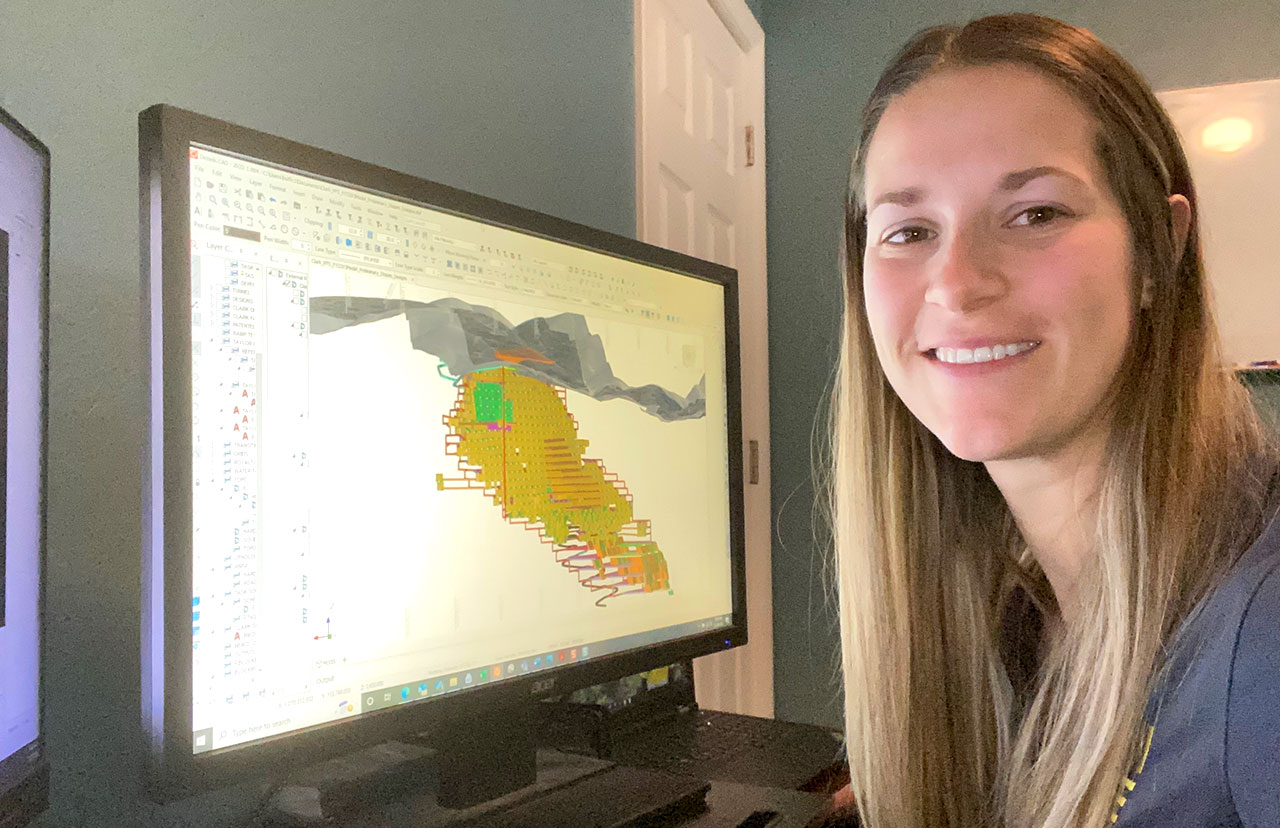
Cayley Hoffman using 3D software to design the underground Hermosa Mine outside of Patagonia.

She says, “When I am going through the design process I am able to flag elements that have potential to impact the environment. It is very exciting to have the opportunity to use my creativity to help develop an environmentally sustainable mine from the ground up.”

As a former mountain bike athlete who competed all over the world, Cayley found that creativity frequently came into play when she was riding on the trails. Many times there were sections of trail where every racer would take the same path, without thinking about whether it was the fastest. Her team took the time to look at all the options and sometimes come up with a ‘creative line’ that shaved a few seconds off their race times. This could be the difference between winning or losing a race, and many times not following the same path as everyone else paid off.

It was during her travels that she saw many mines, both active and closed. She always found mines really interesting, and this coupled with her love of working outdoors, influenced her to major in geology. During Cayley’s second year of school she learned of the Mining and Geological Engineering department at the University of Arizona (UA) through a friend who was in the program. She was attracted to the many different areas of study within mining at UA. She chose to focus on sustainable resource development, taking courses on how mines can affect the environment.

In her job she often reaches a point where she has to make a design decision based on many possible options. Taking the time to sort and select potential solutions helps her streamline the review process for others when discussing design decisions with a larger group.
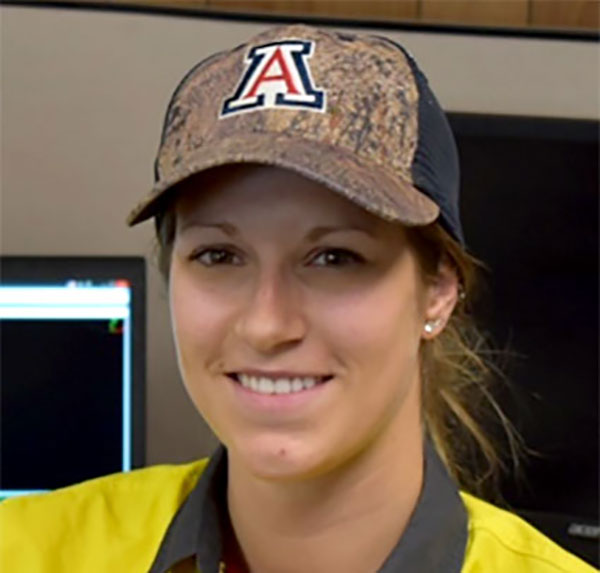
Cayley is an avid hiker, mountain biker and in her spare time also likes to go on camping trips with her husband and their two dogs.

To stimulate her creativity, Cayley says, “I have always found that getting outside and moving really gets the creative juices flowing. I like to go for a walk to the nearby park and leave my headphones at home, so that I can be alone with my thoughts. I find sitting at my computer for too long really impacts my ability to think creatively. If there is a particular problem that I am focused on solving, I will take a small note pad with me to make some notes as things come into my head.”

Her advice for young people thinking about going to college is, “Don’t be afraid to start classes, even if you aren’t sure what you want to major in. Your first couple of years are mostly general education courses that will apply to any major you decide on, and you really only find out what you don’t want to do once you start taking classes.”

She also recommends joining as many clubs and organizations as possible to meet more people. Tapping into a big network is another great creativity tool that comes in handy when tackling challenges at school or work. Cayley says, “More than likely someone in your network has already been through what you’re facing, and they can help guide you through it.”

THANK YOU, SOUTH32!
LAUNCH PAD FEATURE: Artist Spencer Edgerton Creates The Merkaba Molecule Sculpture

LAUNCH PAD FEATURE: Artist Spencer Edgerton Creates The Merkaba Molecule Sculpture

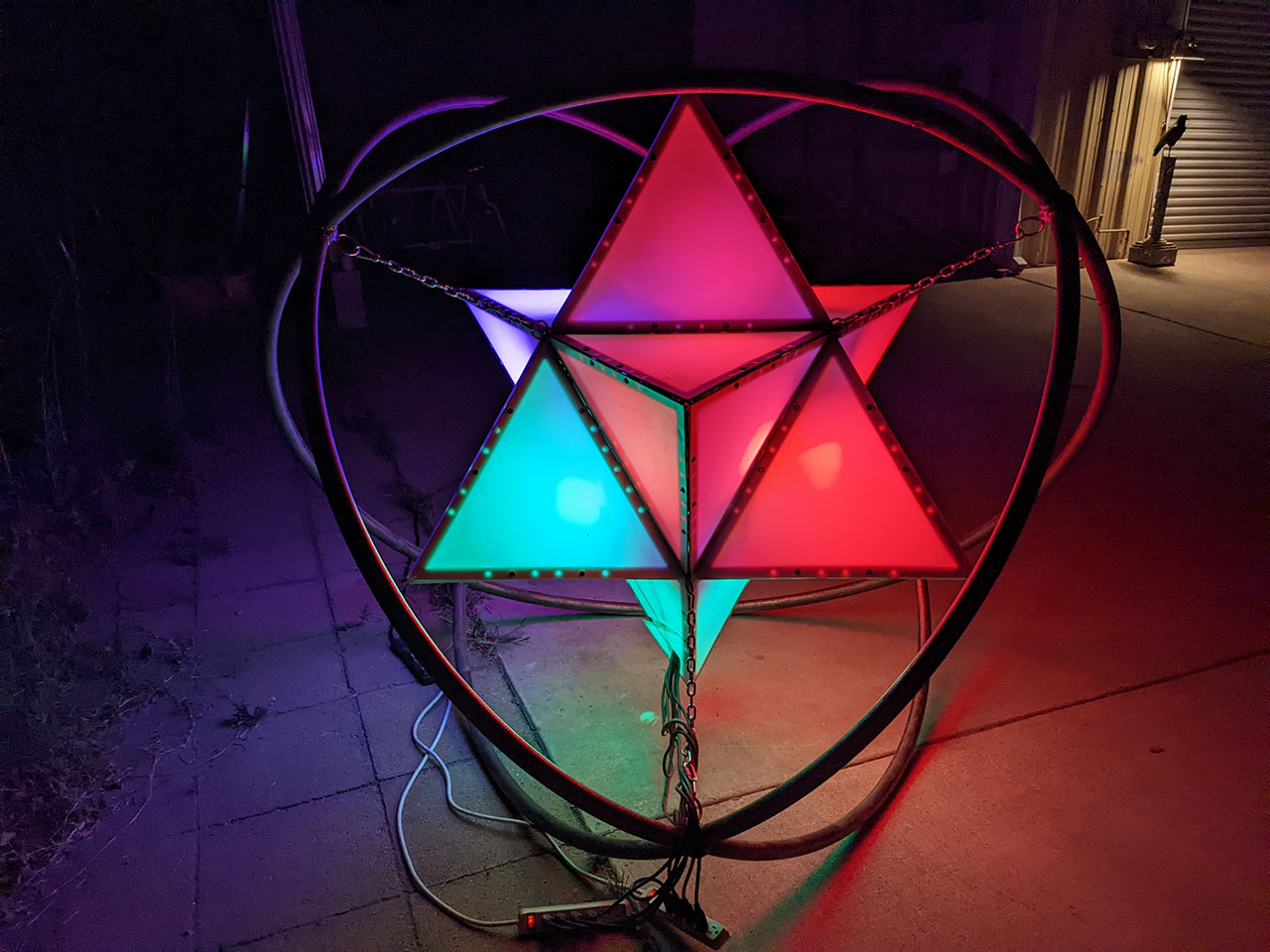
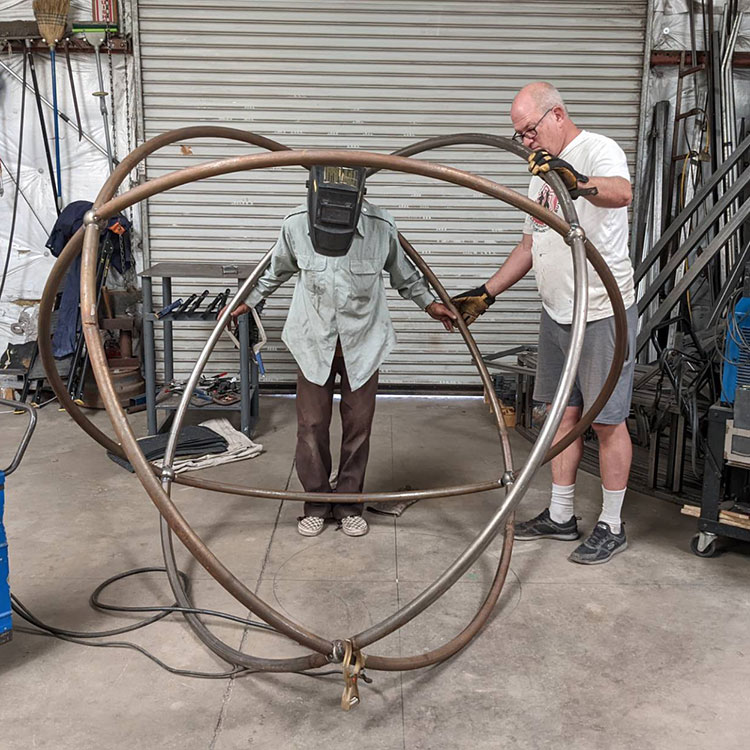
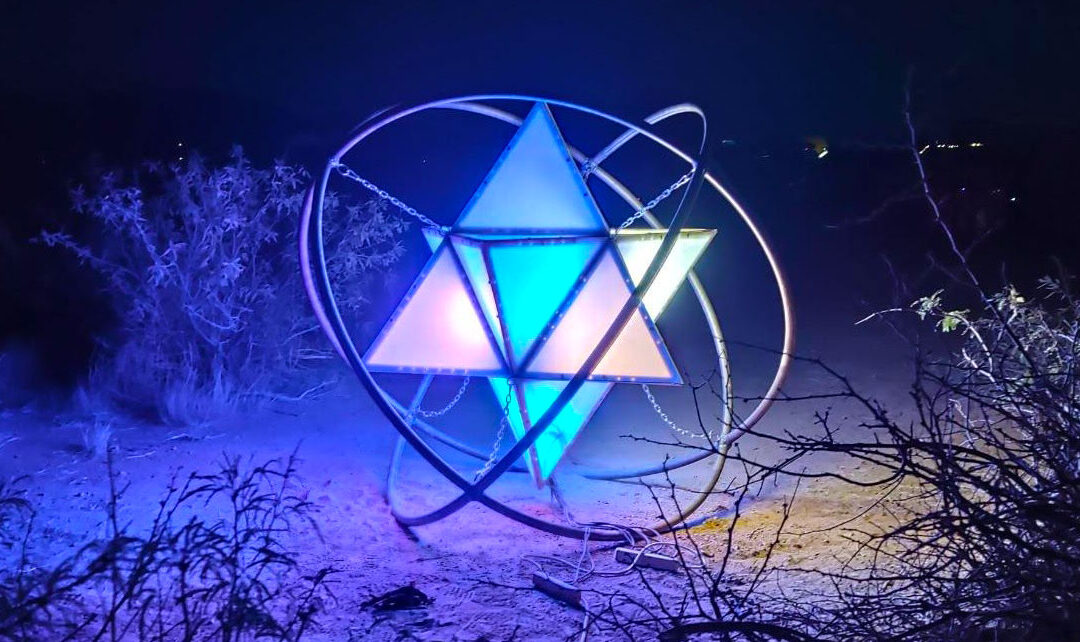
The Merkaba Molecule sculpture was made by Launch pad artist Spencer Edgerton and his crew.

In May, Launch Pad artist Spencer Edgerton made a beautiful sculpture called The Merkaba Molecule. Spencer says, “The inspiration for my latest sculpture came from research I was doing for the original Heart Chakra Temple sculpture prototype. At the time, I had been asked about creating a building inspired by the lotus form of the Hindu Anahata Mandala containing a Hologram as its centerpiece.”

In the course of researching the possibility of making a hologram he discovered something called the Pepper’s Ghost illusion. It’s a way of creating a 3D image that appears to float in the air. To make a 3D version of this viewable from all sides, he started making pyramid-shaped translucent projection screens.

Simultaneously, while researching the symbolism and mythology surrounding The Heart Chakra, he came across mystical texts, thanks to fellow Launch Pad artist Thom Jordan, explaining that the part of the symbol that looks like the “Star of David” was actually an attempt to represent a Hindu concept called Shatkona, which is the union of Male (upwards triangle) and Female (downwards triangle).

In the American New Age reinterpretation of this symbolism, the symbol can be extended into the third dimension to become the Merkaba Light Body. This concept is something like an energy aura, and invokes a field of study called Sacred Geometry.

The Sacred Geometry concepts draw inspiration from mathematics to denote spiritual ideas. One such idea is Metatron’s Cube which uses a Stellated Octahedron to tie together several other concepts.

One such concept is the Flower of Life, which is made out of overlapping circles that have a harmonious mathematical relationship with the Stellated Octahedron.

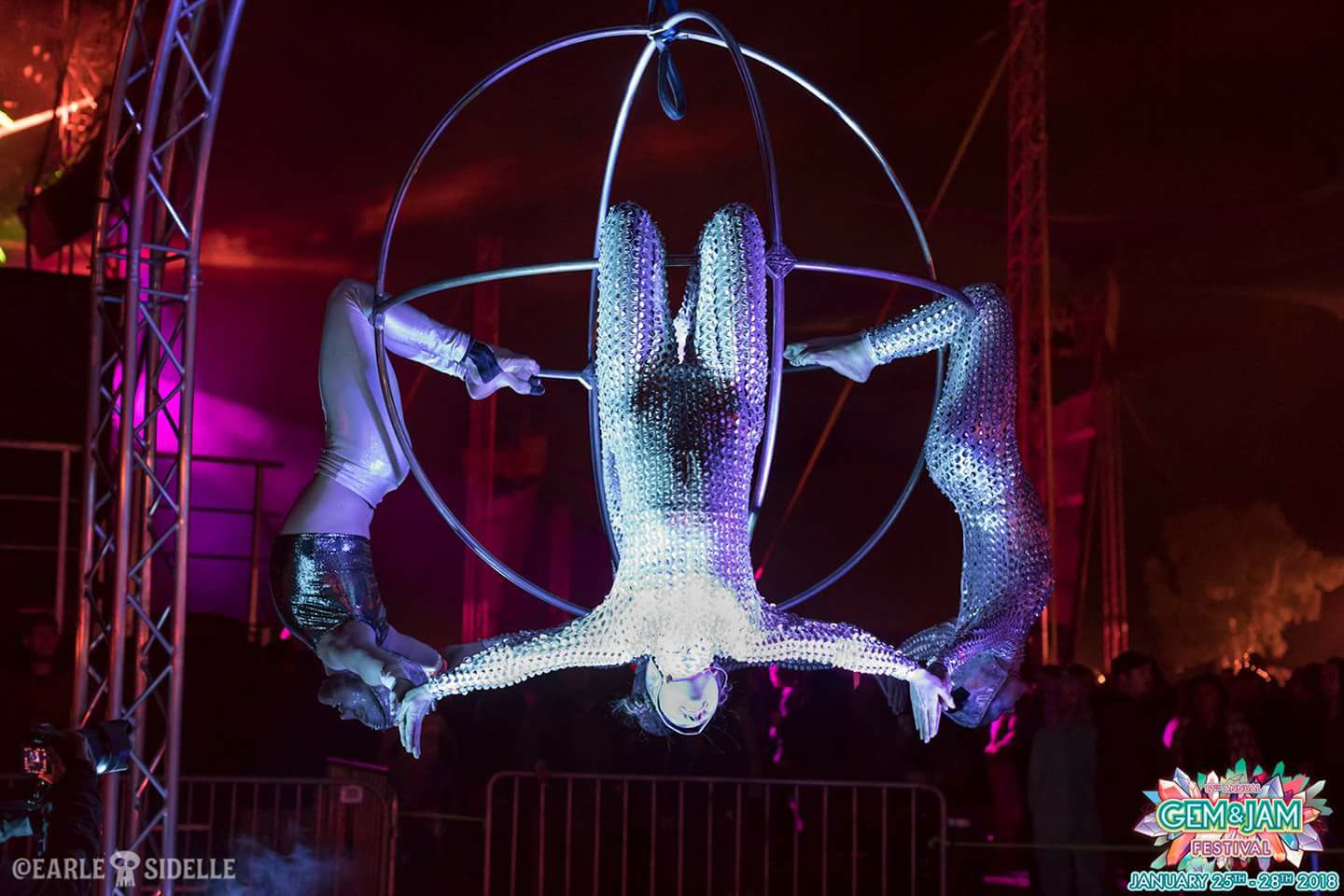
He came up with the idea of supporting it inside a system of rings like the Flower Of Life. He had already done something like this previously when I built an aerial trapeze apparatus for Cirque Roots called the Orbit, which you can see below.

So in this present sculpture, the Merkaba is an illuminated sculpture inside another sculpture called the Molecule. The Molecule gets its name from the ball structures at the intersections of the circles, which he hopes to someday recreate in a larger form and integrate digital projectors into. This would fulfill the promise of being able to use holographic projections in 3 dimensions in conjunction with the current internal lighting system of the Merkaba Molecule.

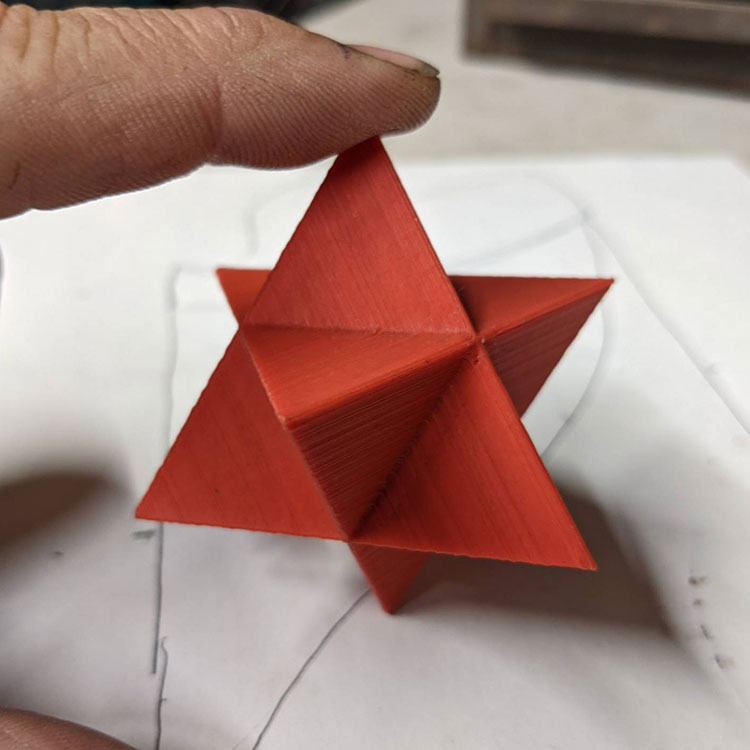
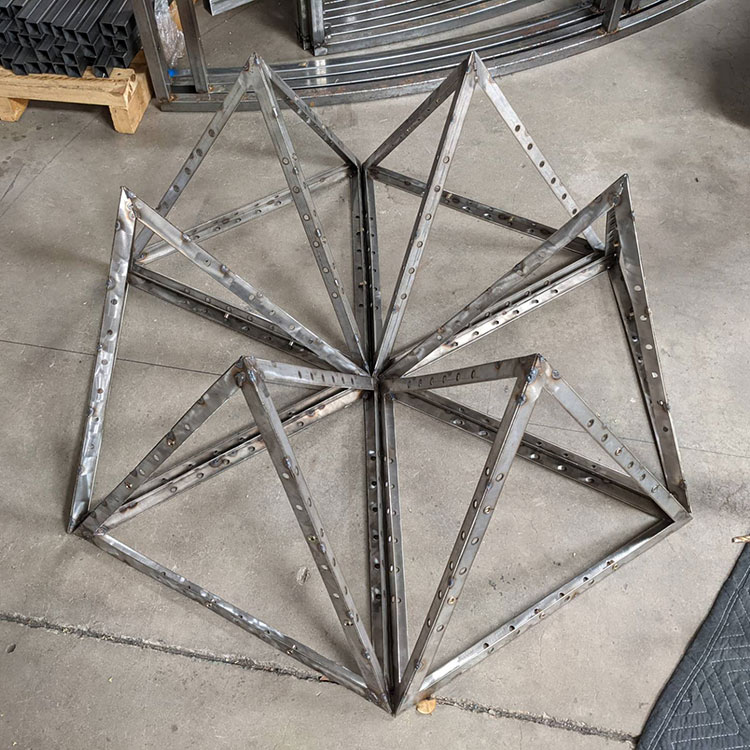
He started with a 3D print of the Merkaba. The Merkaba is technically a stellated tetrahedron. All the stainless steel parts were made with Spencer’s plasma table from his original CAD designs. The Molecule is three tangentially intersecting rings.

The sculpture has 8 LED flood lights inside, but it’s ultimately a projection screen for sacred geometry video content.

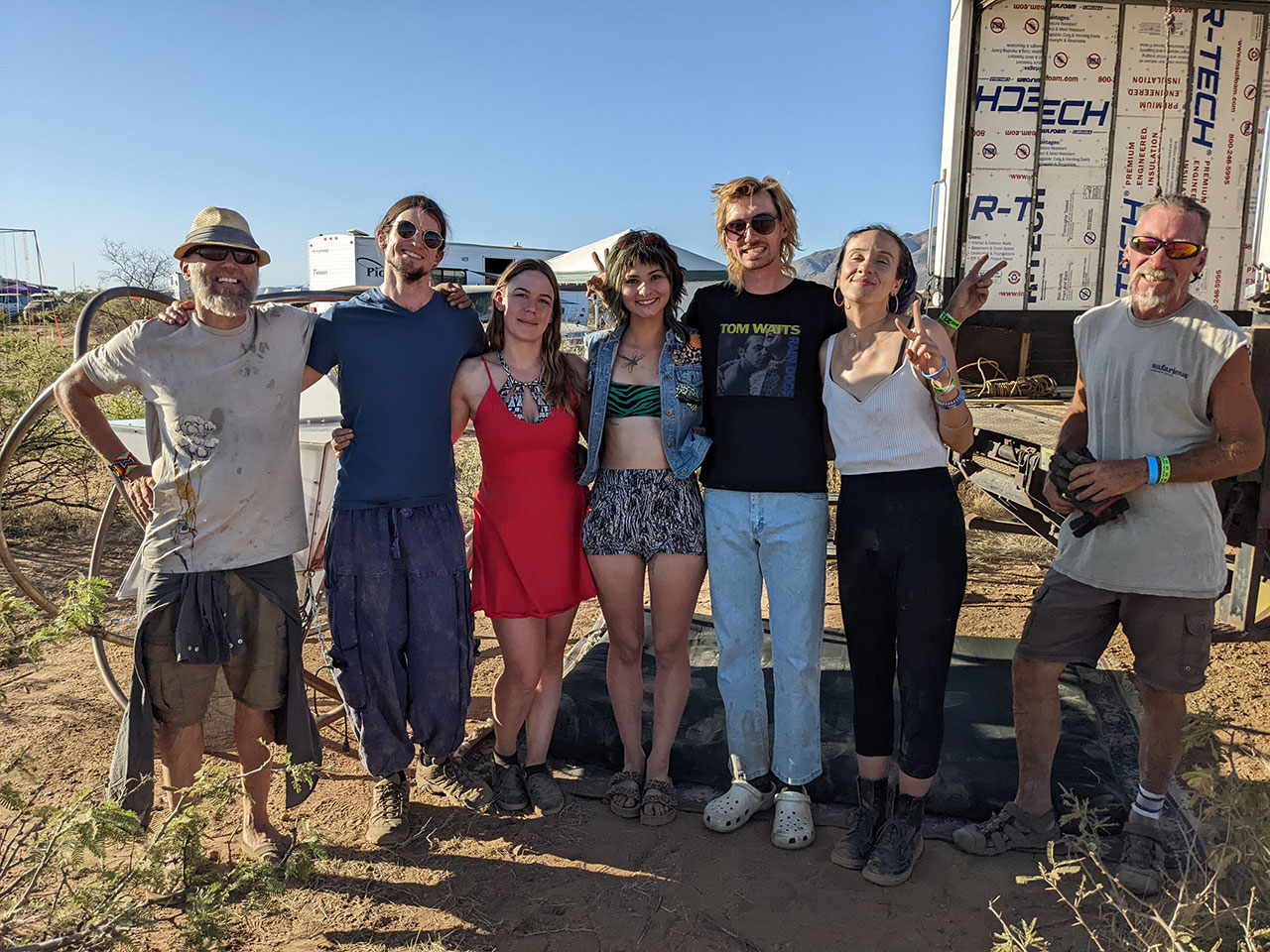
The Merkaba Molecule was constructed at Launch Pad Enterprise by Spencer with lots of help from his friends and crew. He says, “I would not have been able to make this sculpture without a generous grant from the Arizona Regional Burning Man arts team. It was first shown at their event ” Saguaroman” at Landy McLandface in 2022.

Thanks everybody!

SPONSOR HIGHLIGHT: Q&A With Eric Herman, Wildlife Biologist & Owner AtoZec

SPONSOR HIGHLIGHT: Q&A With Eric Herman, Wildlife Biologist & Owner AtoZec

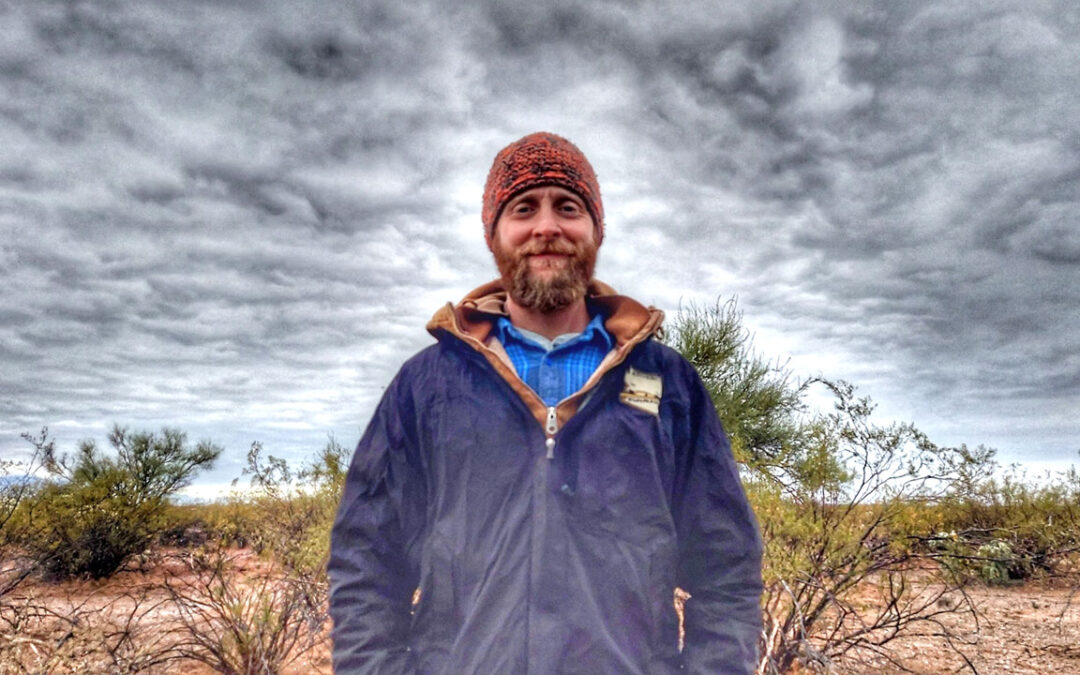
MBC sponsor Eric Herman owner of AtoZec, wildlife biology consulting firm, in the field east of Tucson performing a native plant inventory.

Eric Herman is a Wildlife Biologist who works around the Southwestern United States. We spent some time with him to find out more about his work, how creativity helps him, what traits he associates with creativity and why he supports Mat Bevel Company. Read on to find out his answers.

How would you describe your work?

With my work, we have a plant or animal species that we’re looking for in the field. Before going into the field, I learn as much as I can about the science of the species, what’s its behavior, where and how do we find it.

The bulk of my work involves hiking through a variety of habitat looking for that species. That entails using your senses. Often it’s sight and sound.

You have to be patient, because literally I’m hiking all day and looking or staying in one spot waiting to see the species. Once we find the target species, we collect data. It’s a search and investigation mission that we’re on.

What role does creativity play in your work?

Things change in the field. Where you may have easily found a species before, may not be where you find that species now. That species may have moved away or still be present in limited numbers, making it hard to find. Issues arise and you have to be ready to respond to logistics, injuries, the species changing its behavior because of our presence.

The plants and animals do not read the books that we’ve written about them. They may do different things and be in different places than what we expect. The cliché “think outside the box” to me means creating alternatives to your standard search pattern. You have to be very creative to put yourself in the mind of an animal. How do they move? What are they looking for?

I ask myself, “What do I need as this bird or tortoise? What is my day like?” When you figure this out, it will help you find what you need rather than relying on a text book. I use my mind and my instinct to solve problems in the field.

Answering the why of a particular situation takes creativity. As a part of creativity, I use intuition all the time. I trust my feelings and my gut. Instinct is an immediate reaction. If those patch of trees look promising, pursue it. Trust it. That’s how I got good at looking for Yellow Billed Cuckoos. We found them in areas that weren’t in the textbooks.

In the end, creativity is not so much about the plants or the animals, but using the six senses! It helps me learn about myself. There’s a link between self-awareness and awareness of an environment in general. That’s where the sixth sense is so important. Intuition taps you into the energy of the habitat.

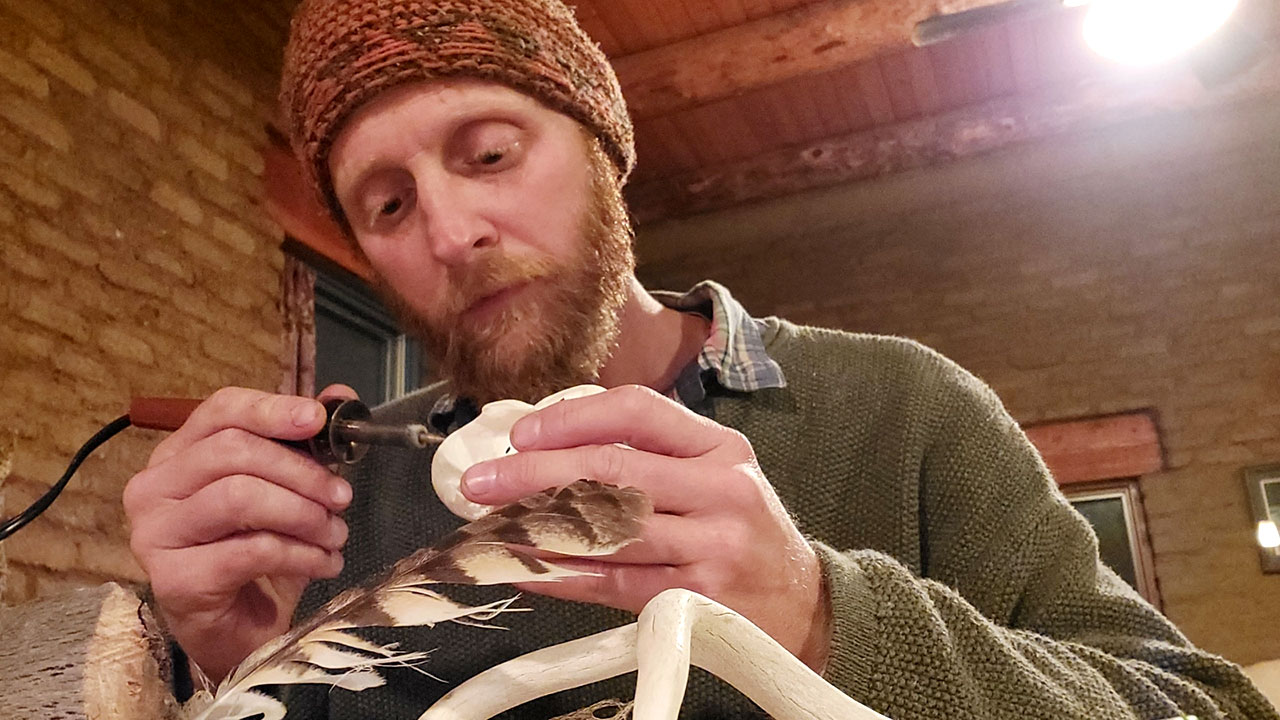
Eric Herman making found-object art from nature’s treasures.

What traits do you associate with creativity?

Let’s say you planned, but everything went south. A crew member is sick. The animals are acting differently. The habitat is different. The weather changed. You have to get creative.

Adaptability is a trait directly linked to creativity. How do you use original thinking to change your approach due changing situations? How do you adapt your survey to that? It might mean preparing how you get in and out of the canyon, or exiting before the weather turns bad. Adaptability all comes back to out-of-the-box thinking which opens you up to a wider range of options.

Another trait connected to creativity is trust which largely overlaps with instinct. This is a behavioral thing. It requires maintaining an optimistic thought. You have to be realistic too, knowing that trust doesn’t mean everything will turn out, but you keep the door open for things to work out.

Identify a positive and practical way that having creative capacity has improved your life and your work.

Creativity has given me more options and experiences. It allows my passion to grow and expand. For science based work, it helps me solve challenges, opening up more solutions, more answers.

Going back to the Yellow-Billed Cuckoo work, the creative thoughts have helped me find similar attributes of the species but in areas that have different vegetation. In this case, I identify more factors that might attract an animal to an area, such as prey…what they are going to eat here? Is there a food source in different places than previously defined?

Do you work your mind out to practice creativity?

Yes, I mentally shut the thoughts of my mind down and listen to what my six senses are telling me, with instinct as the sixth sense.

I also work on found-art object sculptures to create art. Throwing things together in ways that aren’t uniform increases my creativity. Running my mind and hands through the process of creation is very useful.

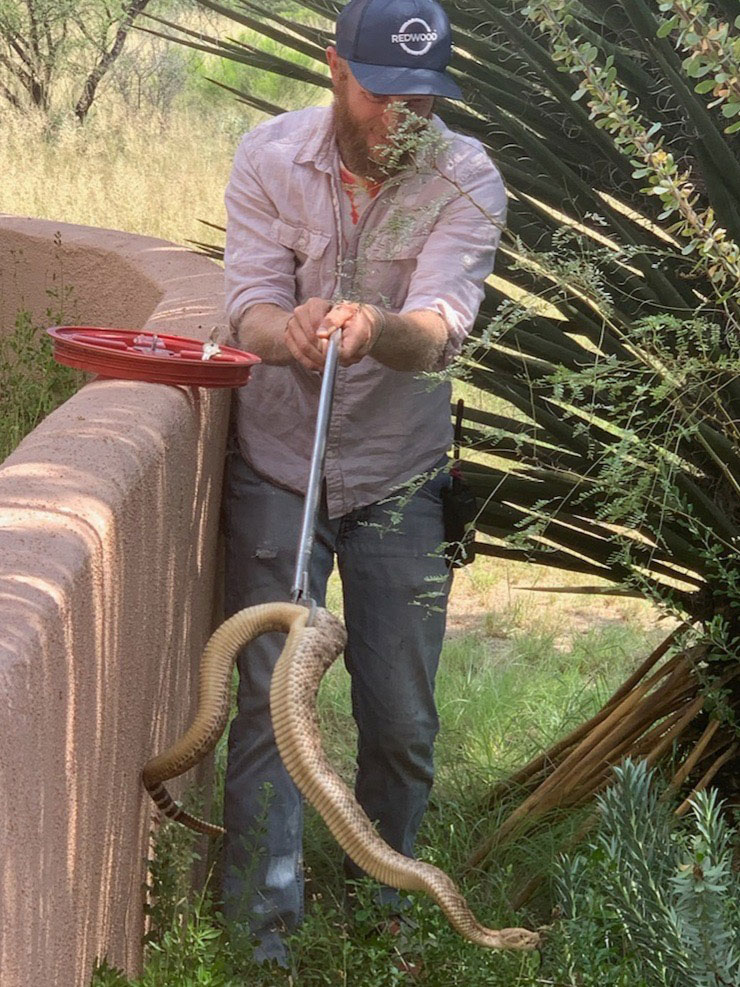
Eric is an EMT and wildland firefighter with Patagonia Volunteer Fire and Rescue. He also offers free snake relocation services.

What science concept do you use often in your work?

Patterns. We use the term search pattern which means I am almost thinking of anything I’ve learned. It’s heavy on instinct. Gazing across a scene, I let a sixth sense suck up what data is coming in. Often sight and sound patterns allow the mind to receive data and calculate in my head, “Is this the right area?” The patterns are coming in so fast but you’re picking up shapes, or colors that help cue you into to finding the species and its habitat.

Getting to the touch part…how will you move yourself through the given area. Is the best way to walk a straight line or shift your movement. If I walk a straight line I may miss the snake behind the rock.

The un-creative mind will stay on the straight line. The creative mind will follow the patterns which may mean deviating and curving my way through the environment. With this approach, I’ve seen many more species than I would have otherwise.

Why did you donate again to Mat Bevel Company this year?

I donated to Mat Bevel Company this year again because I know the people involved and I know their hearts are into the mission. I’m donating to the passion. When making a decision to donate, I ask myself, “How are they using the money?” With Beveldom, besides the actual construct…the art and science that are being taught through The Daily Doodle, The Time-Space machine, I’ve met Bevel and Kid Bevel, I know the passion! Passion is how I live.”

THANK YOU, ERIC!

SPONSOR HIGHLIGHT: Sulphur Springs Valley Electric Cooperative

SPONSOR HIGHLIGHT: Sulphur Springs Valley Electric Cooperative

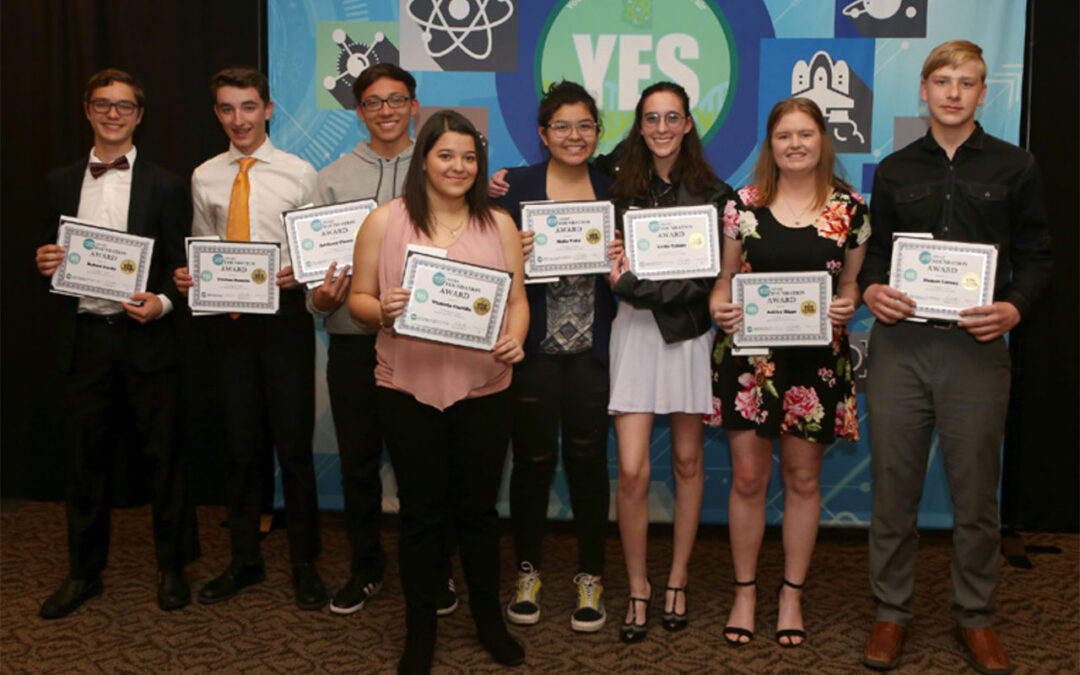
MBC sponsor SSVEC has sponsored The Youth Engineering and Science (YES) Fair for over 20 years. Pictured above are YES Fair winners from 2020.

One student explored the possibility of life on other planets.
Another studied the effectiveness of wearing a mask to stop the spread of a virus.
Others researched plant nutrition, the states of matter, solar panels, and bacteria.

Motivated by a pure desire to learn, students participating in the 38th annual Youth, Engineering, and Science (YES) Fair not only satisfy their desire to understand a topic of interest, they compete for more than $20,000 in cash awards and the opportunity for an all-expenses paid trip to an international science fair.

The YES Fair happens every February and is sponsored by the Sulphur Springs Valley Electric Cooperative (SSVEC) Foundation. It is one of three youth programs aimed at encouraging and empowering students to excel and succeed in today’s world. Marcus Harston, Community Relations and Youth Program Coordinator for SSVEC, manages all three programs, including the YES Fair, the Washington Youth Tour and a scholarship program that annually awards more than $100,000 to further the education of area students.

“The YES Fair encourages students from Grades 5 through 12 to cultivate their interest in science and engineering, which helps each participant succeed and help build a better America,” Harston said.

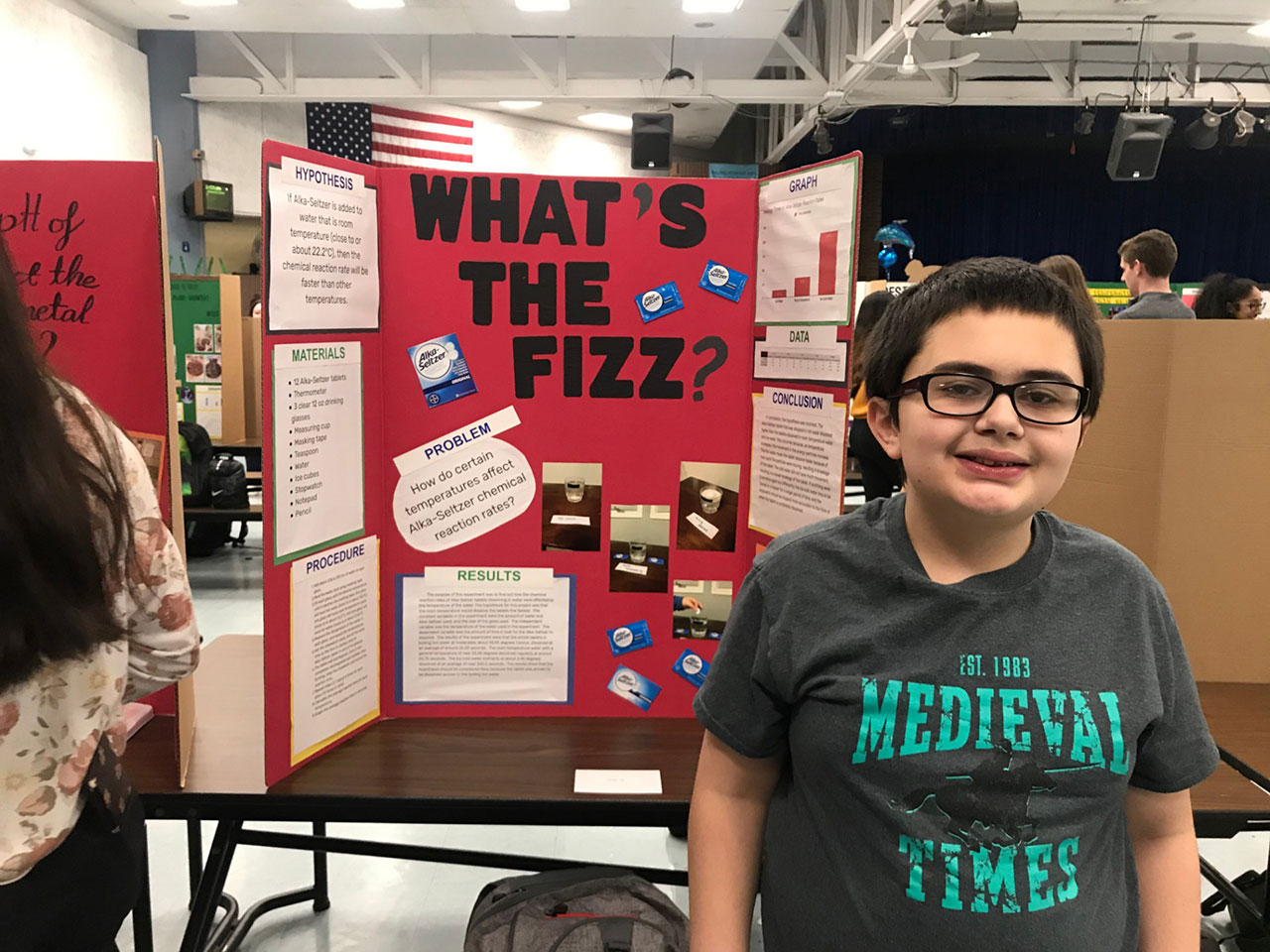
Former YES Fair winner pictured with his project display, “What’s The Fizz?”.

Harston said SSVEC will again sponsor the Mat Bevel Company for its educational program, The Universe Within, which encourages students to think, discover, invent, and research, various science-related topics.

“We support programs like The Universe Within because it provides activities and opportunities for our rural youth and families to open up new directions for their education, career and life,” Harston said.

Both The Universe Within and the YES Fair help students learn about area, circumference, volume, matter, energy and natural forces. Students participating in the YES Fair have an opportunity to display their research and present answers to specific science questions of interest. Past projects for students in 5th through 8th grades have featured hands-on experiments and interesting conclusions in five distinct areas of study, including Energy and Engineering, Technology, Physical Science, Earth and Space Science and Biological Science.

Projects presented by high school students are defined by the 21 categories set forth by the Intel International Science and Engineering Fair. In addition to cash prizes, the top high school winners in the SSVEC Foundation YES Fair are awarded an all-expenses paid trip to present their projects at the Intel fair, scheduled for May 8th through May 13th in Atlanta, Georgia.

Hundreds of students in Southeastern Arizona look forward to creating science projects for the annual YES Fair. Many of those who have participated have gone on to have successful careers in science, technology and engineering as doctors, teachers, soldiers, and farmers.

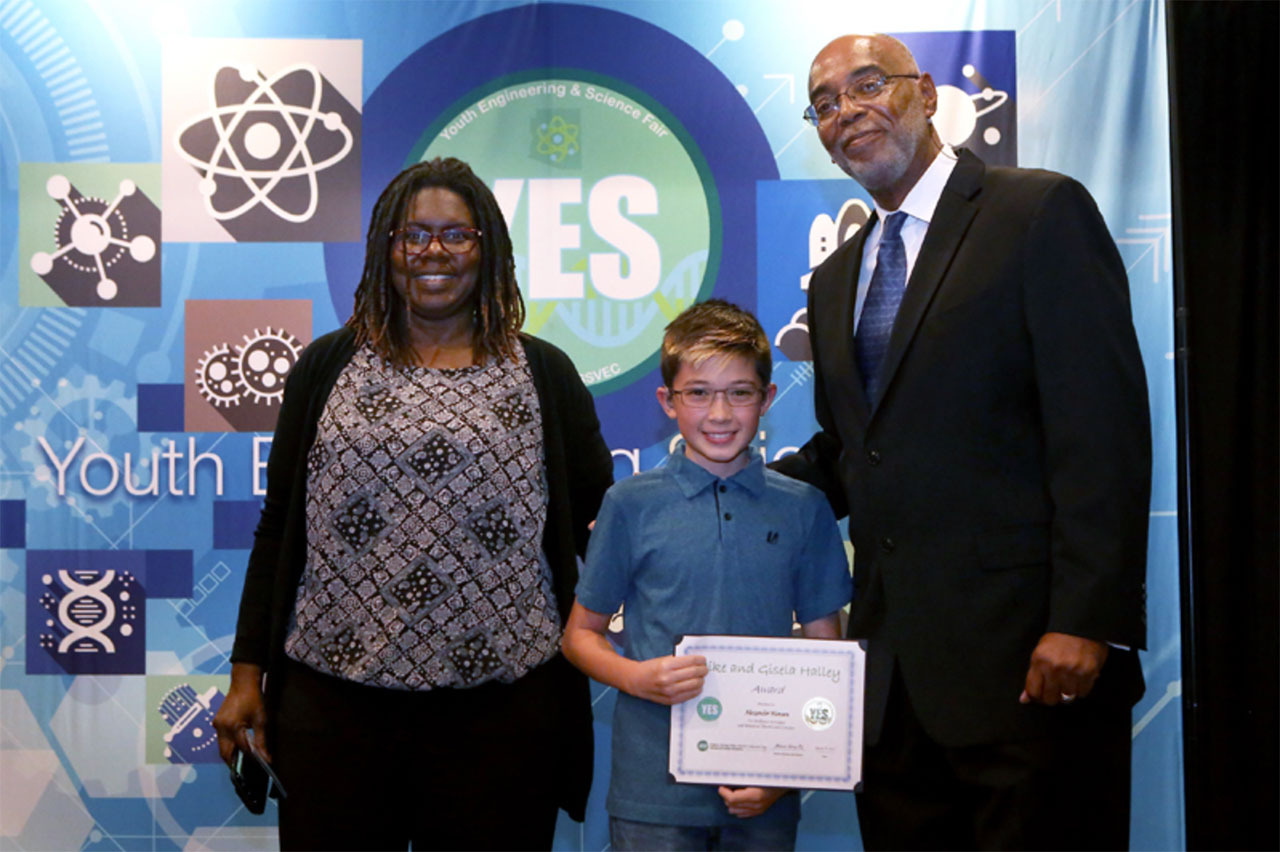
A teacher and her student, a 2019 YES Fair winner, pictured with Mr. Marcus Harston, Community Relations & Youth Program Coordinator for SSVEC.

High School projects will be set up at the Windemere Hotel and Conference Center on Tuesday, February 22, 2022, from 8 a.m. to 4 p.m. The actual awards ceremony will be held at Windemere Hotel and Conference Center on Thursday, February 24, 2022, from 6 p.m. to 7 p.m. Virtual judging for 5th through 8th grades is February 15th through February 22nd, and awards will be announced February 23rd, winners are invited to the awards ceremony.

Sulphur Springs Valley Electric Cooperative (SSVEC), which oversees the SSVEC Foundation, is a not-for-profit, member-owned distribution cooperative providing electricity to more than 60,000 services over some 4,100 miles of energized line. The cooperative’s service territory covers parts of Cochise, Graham, Pima and Santa Cruz counties in Southern Arizona. SSVEC is dedicated to community growth, quality of life and a positive vision for the future.

Mat Bevel Company Receives Grant from Nogales U.S. Customs Brokers Association

Mat Bevel Company Receives Grant from Nogales U.S. Customs Brokers Association

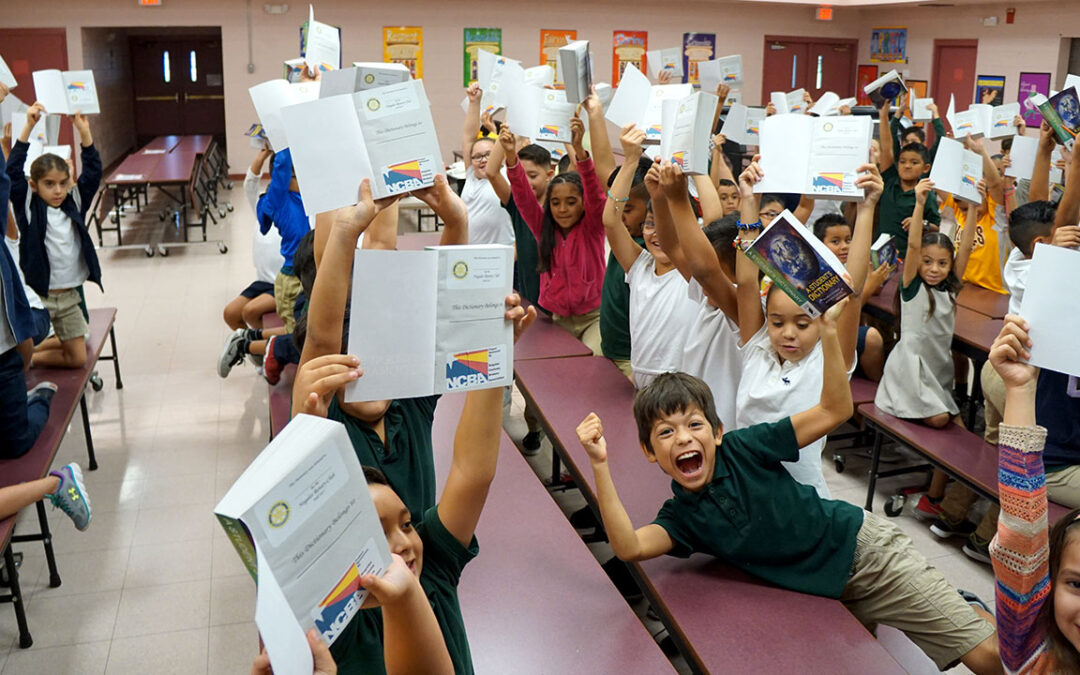
Middle school students in Santa Cruz County look forward to receiving their dictionaries from Nogales U.S. Customs Brokers Association.

This year Mat Bevel Company received a $5,000 grant from Nogales U.S. Customs Brokers Association (NCBA). The grant supported development of The User Guidebook for instructors and The Daily Doodle notebook for students for Module 2: The Art of Kinetics. Module 2 introduces students at schools and after-school programs in Santa Cruz County to the principles of matter, energy, time, space and motion as they use simple tools to construct a complex Time-Space Machine.

Formed in 1996, the core purpose of NCBA is to serve as the catalyst for optimizing legitimate trade along the Nogales, Arizona Ports, District and Southern Border, through constant engagement with U.S. Customs and participating Government agencies, acting as a liaison for customers – the Commercial Importer community. The association has 20 volunteer members who are elected or reassigned to committees every two years. On December 1, 2021 Gloria Spencer, Branch Manager of Livingston International, was selected as the new Board President.

In 2012, NCBA formed Port Devanning Services (PDS) to provide offloading and loading services at the Mariposa Port of Entry to expedite the frequent intensive exams performed by Customs & Border Protection on shipments processed at the port of Entry. Instead of private sector contractors providing these services, NCBA created a vertically integrated service solution to improve the flow of trade in the region. Today PDS employs 40 people. All PDS net proceeds are reinvested back into supporting the local community via sponsorships, grants and donations, which totals approximately $1.7 million since its founding in 2012.

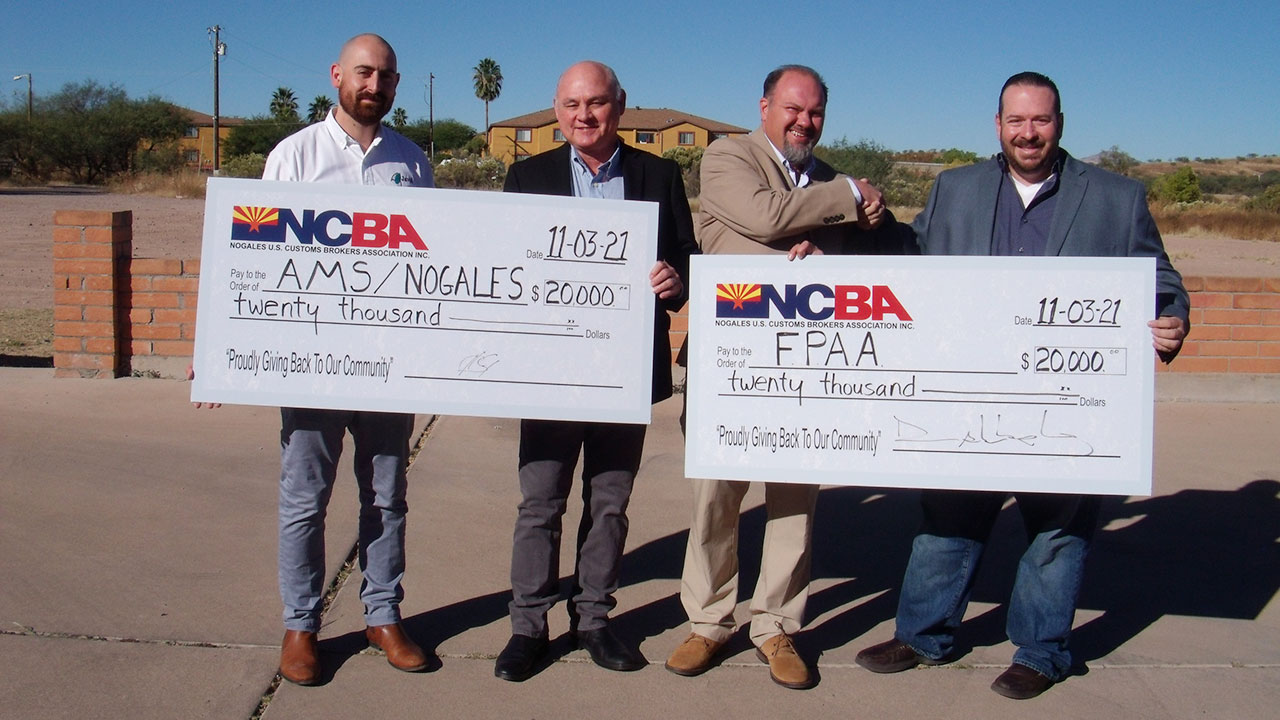
Asociacion de Maquiladoras de Sonora (Manufacturing Plants Association of Sonora) and the Fresh Produce Association receive support from NCBA because of the vital work they do to promote economic growth in the region.

Ms. Spencer said, “PDS provides remarkable benefits to our community including contributing to a more efficient process with time and money savings to the trade as well as the creation of local jobs. In addition, importer fees provide the basis for local grants and sponsorships. This is a very unique scenario for a custom’s broker association to form a separate business that both optimizes the flow of the trade and provides value back to the communities we serve in Santa Cruz County and the Ambos Nogales border region. I’m very proud to be part of the organization.”

Among the organizations that the NCBA proudly supports;the Fresh Produce Association Of The Americas, INDEX (Maquiladora Association of Sonora Mexico), the Arizona Mexico Commission as well as the Greater Nogales Santa Cruz County Port Authority.  Ms. Spencer said, “The work of these organizations is vital to promote the economic growth of the Port of Nogales, therefore we lend our strength to their efforts.”

NCBA also supports local schools with programs like the dictionary give away for middle schools. And, since U.S. Customs Brokers play a key role in international trade, NCBA provides grants to students who pursue global supply-chain related careers in International Trade and Compliance. Jobs in these careers include International Trade Analyst, Global Trade Specialist, International Trade Compliance Manager, Transportation, Logistics & Distribution Specialist, Inventory Manager, Import/Export Specialist, etc.

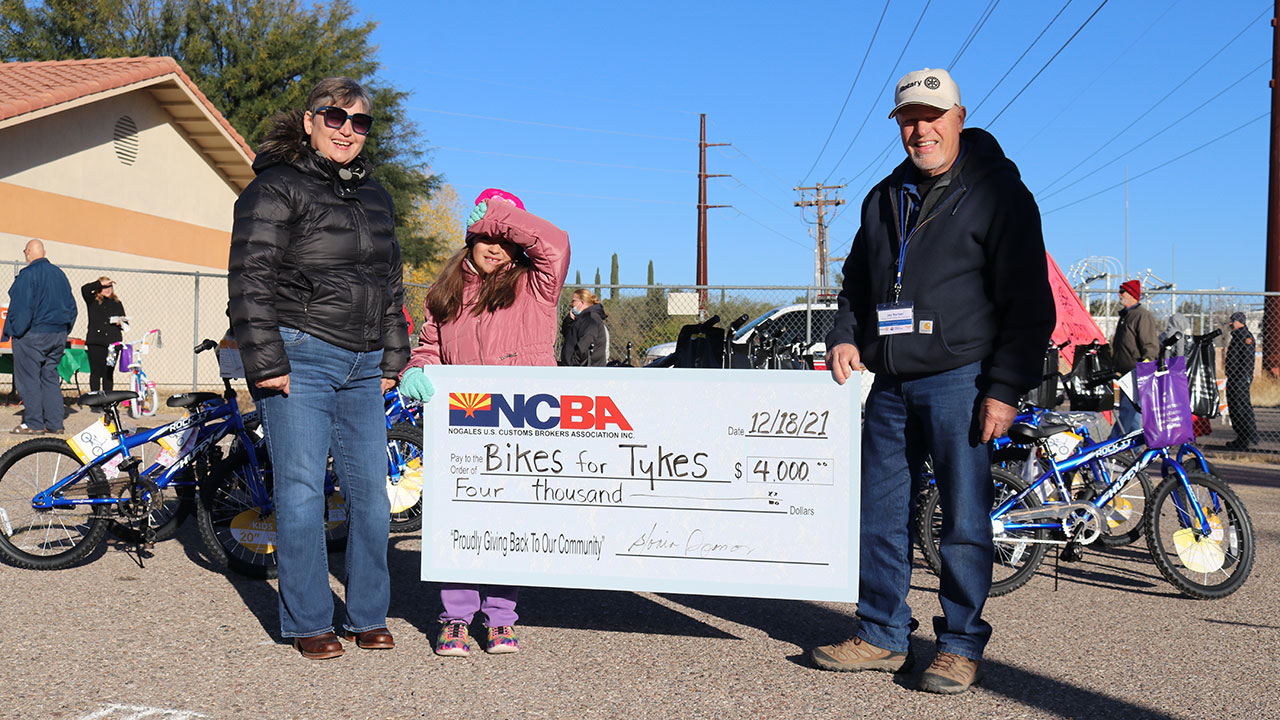
NCBA donates to many worthy community causes that benefit youth such as Bike For Tykes.

NCBA supported Mat Bevel Company this year for The Universe Within because STEM programs challenge children to develop creative thinking and problem-solving skills. These skills and abilities are critical in international trade, and absolutely necessary to thrive in the increasingly global socio-economic environment that we live in.

Ms. Spencer said, “We believe that creative genius is a talent that must be nurtured for our young to thrive in whatever their calling, and specifically in our ever-evolving world of international trade and global supply chain.”

Understanding that everybody is gifted with abilities, NCBA encourages future generations to build on their strengths, become self-empowered and be of service to others and your community, region, country, continent, the world. Ms. Spencer reminds us, “We all need other people and those ‘others’ may be in a neighbor country, producing goods and services we need in ours.”

THANK YOU, NOGALES U.S. CUSTOMS BROKERS ASSOCIATION!